
Rat Control Services in Southeast Michigan
Professional Rat Control That Gets to the Source
Rat Control Services in Southeast Michigan
Professional Rat Control That Gets to the Source
Finding evidence of rats in or around your home is one of those discoveries you want to act on right away. Rats are larger and more destructive than mice, they reproduce quickly, and they become significantly harder to eliminate the longer a rat infestation has time to establish. The droppings along your garage wall, the gnaw marks on stored items in the basement, the scratching sounds in the ceiling at night — these are not signs to wait on.
Defender Pest provides professional rat control services for homeowners and businesses across Southeast Michigan. Our approach goes well beyond setting a few rat traps and hoping for the best. We conduct a thorough property inspection, identify exactly how rats are getting in and where they are nesting, eliminate the active population with professional-grade tools, and seal the entry points that allowed access in the first place. That complete process is what produces lasting results instead of a temporary reduction in rat activity.
Why DIY Rat Control Falls Short
Why DIY Rat Control Falls Short
Rats are cautious, intelligent animals. They are naturally suspicious of new objects in their environment, which means freshly placed rat traps in obvious locations are often ignored for days or avoided entirely. Effective trap placement requires understanding how rats move, where they feel safe feeding, and how to introduce bait in a way that does not trigger their avoidance instincts. Most homeowners working without that knowledge see limited results from even quality hardware store rat traps.
The deeper problem with DIY approaches is the same one that undermines DIY mouse control: they address the animals currently inside without closing the access points that let them in. Rats thrive in environments with available food and shelter, and as long as the conditions that attracted them remain in place, eliminating one group simply makes room for the next. A rodent exterminator working from an Integrated Pest Management framework addresses the animal, the environment, and the structure together, which is the only approach that produces long-lasting protection.
Rat Species Common in Michigan
Two rat species account for nearly all residential rodent problems in Southeast Michigan. They behave differently, nest in different places, and require slightly different approaches to control, which is one reason a proper inspection matters before any treatment begins.
Norway Rats
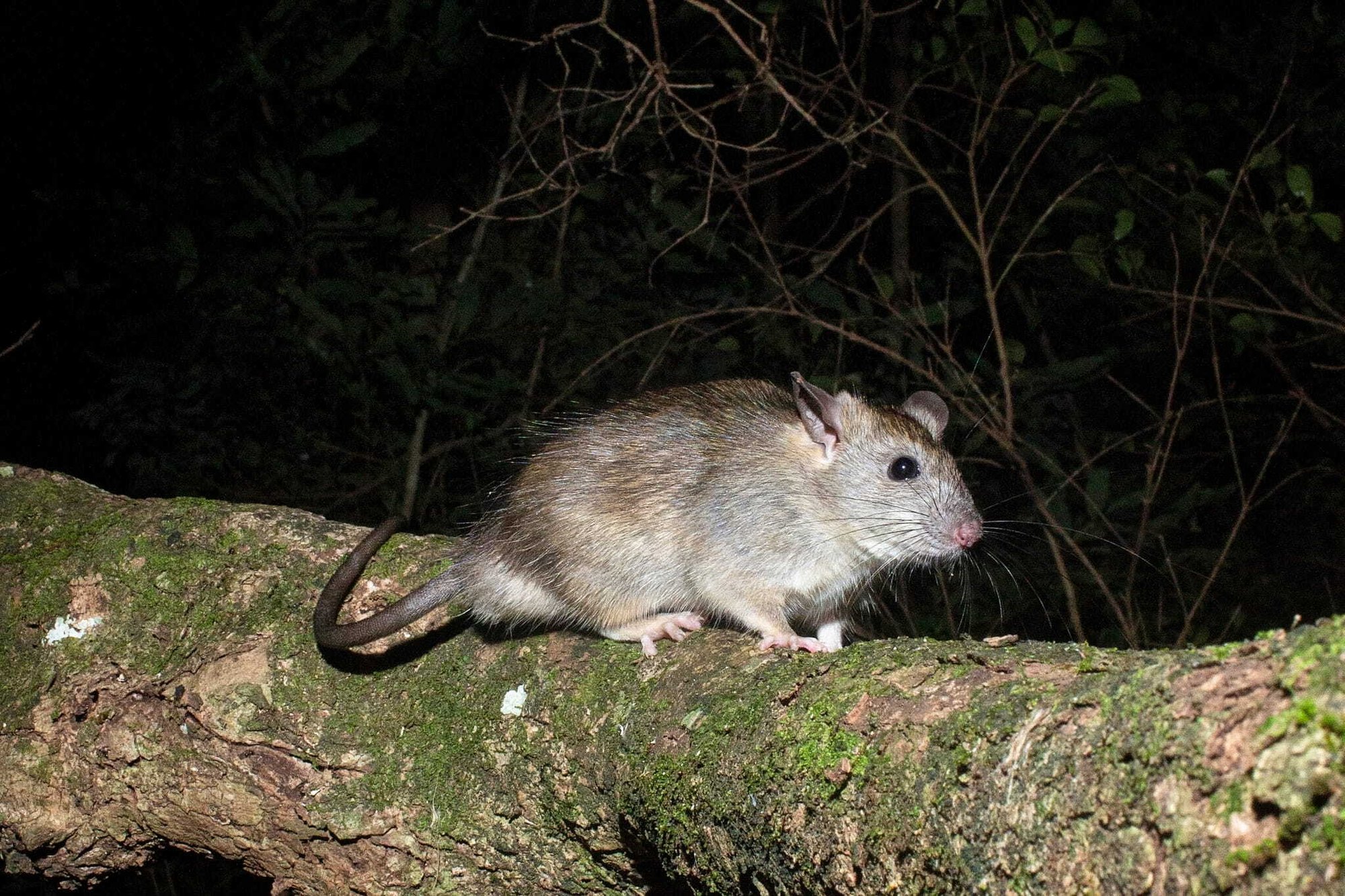
Norway rats are the most common rat species found in Michigan homes and the dominant rat species across most of the United States. They are heavy-bodied rodents, typically weighing between seven and eighteen ounces and growing up to sixteen inches long including the tail. Norway rats have blunt noses, small ears, and relatively short tails compared to their body length. They are burrowers by nature, preferring to nest at or below ground level along foundation walls, under concrete slabs, in crawl spaces, and in lower sections of basements. Norway rats are prolific breeders, capable of producing up to five litters per year, which means a rat problem that goes unaddressed can escalate into a significant infestation within a single season.
%20(1).jpg?width=2000&height=1609&name=original%20(2)%20(1).jpg "original (2) (1)")
Roof Rats
Roof rats are less common in Michigan than Norway rats but are present and worth knowing. They are lighter and more agile than their Norway counterparts, typically weighing between five and ten ounces with tails that are longer than their bodies. That physical profile makes them excellent climbers. Roof rats tend to gain access to homes from above, traveling along utility lines, tree branches, and rooflines to reach attics, upper walls, and elevated storage spaces. An infestation that shows activity concentrated in attics or upper floors, rather than basements and crawl spaces, often points to roof rats rather than Norway rats. Roof rats are also known carriers of fleas and other ectoparasites, which can create secondary pest problems inside the home.
Signs of a Rat Infestation
Signs of a Rat Infestation
Rats are nocturnal and cautious, so a homeowner may have an active infestation before ever seeing a rat directly. These are the signs that indicate rats are present.
- Droppings. Rat droppings are larger than mouse droppings, roughly three-quarters of an inch long and capsule-shaped. You will find them along baseboards, near nesting areas, in crawl spaces and attics, and anywhere rats travel regularly. Fresh droppings are dark and moist; older ones lighten and harden over time.
- Gnaw marks. Rats chew constantly and are capable of gnawing through wood, plastic, soft metals, and food packaging. Gnaw marks on structural materials, stored boxes, pipes, or electrical wiring are a reliable indicator of rat activity. Chewed wiring is a serious concern, as it is a known cause of electrical fires.
- Rub marks and runways. Rats follow the same routes repeatedly, and the oils from their fur leave grease marks along walls, baseboards, and around gaps or access points. These dark smudges are particularly visible on light-colored surfaces near entry points.
- Nests. Rats build nests from shredded insulation, paper, fabric, and similar materials. Norway rats nest in low, secluded areas like crawl spaces and wall voids near the floor. Roof rats build nests in attics, between ceiling joists, and in other elevated, hard-to-reach areas.
- Scratching sounds. Scurrying and scratching sounds inside walls, ceilings, or under floors are a common indicator of rat activity, particularly after dark when rats are most active.
- Burrows. Norway rats burrow along foundation walls, under concrete, and in overgrown areas near the home. Smooth-walled tunnels about two to three inches in diameter near your foundation are a clear sign of Norway rat activity.
Health Risks and Property Damage From Rats
Health Risks and Property Damage From Rats
Rats carry and transmit many diseases that pose genuine health risks to the people and pets in your home. Leptospirosis and hantavirus are among the more serious illnesses associated with rats, spread through direct contact with rat droppings, urine, or nesting material, or through inhaling airborne particles from contaminated areas. Rats contaminate food and food storage areas through contact, leaving behind feces, urine, and fur even where no visible damage to food packaging is apparent. Rats can also transmit ectoparasites like fleas and mites to humans and pets, creating secondary pest problems alongside the rat infestation itself.
On the property side, rats cause considerable damage that compounds quickly with an established infestation. They gnaw through electrical wiring regularly, and that gnawing is a well-documented cause of electrical fires in residential structures. They damage insulation, destroy stored belongings, and burrow in ways that can undermine concrete and compromise structural integrity over time. Rodent populations left unchecked do not stay stable — they grow, and the damage they cause grows with them.
How Defender Pest Treats Rat Infestations
Effective rat control requires a structured process, not a one-size-fits-all approach. The severity, location, and species involved all shape the right treatment plan, which is why every Defender Pest service starts with a thorough assessment rather than a predetermined set of products.
Initial Inspection
Every job begins with a comprehensive inspection of your property, inside and out. Our technicians assess the extent of the rat infestation, identify the species involved, locate nesting areas, map the routes rats are using to move through the structure, and document every potential entry point. This initial inspection is the foundation that makes everything else work. Without it, even good tools get deployed in the wrong places.
Targeted Trapping
Strategic placement of rat traps is the most direct method for reducing the active population quickly. We use commercial-grade snap traps positioned along active runways and near confirmed nesting areas, where rats are feeding regularly and have overcome their initial caution toward new objects. Live traps are also available when a non-lethal option is preferred. Trap type and placement vary based on the species, the location, and what the inspection reveals about how rats are moving through the property.
Bait Stations
For larger infestations or for ongoing rodent control in and around the exterior of the structure, tamper-proof bait stations are deployed at key locations based on observed rodent activity. Professional bait stations are designed to keep rodenticide inaccessible to children, pets, and non-target animals while allowing rats consistent access to the bait. This matters because effective rodent removal with bait requires rats to feed on it repeatedly over several days — a setup that only works when the station is positioned correctly and the product is the right formulation for the situation.
Exclusion and Entry Point Sealing
Exclusion is the most critical step in preventing new rat infestations, and it is the step most often skipped or underperformed by less thorough pest control services. Sealing entry points with durable materials that rats cannot chew through — steel wool, heavy-gauge hardware cloth, caulk, and metal flashing — is what makes the difference between a resolved problem and one that keeps recurring. Our technicians seal all identified gaps and access points and provide specific guidance on any larger structural repairs that fall outside the scope of a pest treatment. If rats can still get in, they will come back.
Sanitation and Habitat Modification
Food sanitation and habitat modification are essential components of effective rat control, not optional add-ons. Our technicians walk through the specific conditions on your property that are contributing to the problem: food storage practices, how garbage cans are secured, outdoor debris or overgrowth near the foundation, and any other environmental factors that attract rats and make your property a hospitable environment. Eliminating food sources and removing harborage is what stops the next generation of rats from moving in after the current infestation is resolved.
Follow-Up Visits
Rats are prolific breeders, and ongoing maintenance is necessary to ensure the population has been fully eliminated and that exclusion work is holding. Defender Pest follows up after the initial treatment to review trap and bait station results, confirm that new rat activity has stopped, and address anything that requires adjustment. If rats return after our service, we come back at no additional charge. That is the Defender Pest service guarantee, and it applies to every rodent control job we take on.
How Defender Pest Treats Rat Infestations
Effective rat control requires a structured process, not a one-size-fits-all approach. The severity, location, and species involved all shape the right treatment plan, which is why every Defender Pest service starts with a thorough assessment rather than a predetermined set of products.
Initial Inspection
Every job begins with a comprehensive inspection of your property, inside and out. Our technicians assess the extent of the rat infestation, identify the species involved, locate nesting areas, map the routes rats are using to move through the structure, and document every potential entry point. This initial inspection is the foundation that makes everything else work. Without it, even good tools get deployed in the wrong places.
Targeted Trapping
Strategic placement of rat traps is the most direct method for reducing the active population quickly. We use commercial-grade snap traps positioned along active runways and near confirmed nesting areas, where rats are feeding regularly and have overcome their initial caution toward new objects. Live traps are also available when a non-lethal option is preferred. Trap type and placement vary based on the species, the location, and what the inspection reveals about how rats are moving through the property.
Bait Stations
For larger infestations or for ongoing rodent control in and around the exterior of the structure, tamper-proof bait stations are deployed at key locations based on observed rodent activity. Professional bait stations are designed to keep rodenticide inaccessible to children, pets, and non-target animals while allowing rats consistent access to the bait. This matters because effective rodent removal with bait requires rats to feed on it repeatedly over several days — a setup that only works when the station is positioned correctly and the product is the right formulation for the situation.
Exclusion and Entry Point Sealing
Exclusion is the most critical step in preventing new rat infestations, and it is the step most often skipped or underperformed by less thorough pest control services. Sealing entry points with durable materials that rats cannot chew through — steel wool, heavy-gauge hardware cloth, caulk, and metal flashing — is what makes the difference between a resolved problem and one that keeps recurring. Our technicians seal all identified gaps and access points and provide specific guidance on any larger structural repairs that fall outside the scope of a pest treatment. If rats can still get in, they will come back.
Sanitation and Habitat Modification
Food sanitation and habitat modification are essential components of effective rat control, not optional add-ons. Our technicians walk through the specific conditions on your property that are contributing to the problem: food storage practices, how garbage cans are secured, outdoor debris or overgrowth near the foundation, and any other environmental factors that attract rats and make your property a hospitable environment. Eliminating food sources and removing harborage is what stops the next generation of rats from moving in after the current infestation is resolved.
Follow-Up Visits
Rats are prolific breeders, and ongoing maintenance is necessary to ensure the population has been fully eliminated and that exclusion work is holding. Defender Pest follows up after the initial treatment to review trap and bait station results, confirm that new rat activity has stopped, and address anything that requires adjustment. If rats return after our service, we come back at no additional charge. That is the Defender Pest service guarantee, and it applies to every rodent control job we take on.
Ready to Protect Your Home?
No matter which corner of Michigan you call home, Defender Pest brings the same commitment to every yard we treat; professional service, certified technicians, and a protection plan built around your season. Ready to get started?
Give us a call or request your free quote online today.
Ready to Protect Your Home?
No matter which corner of Michigan you call home, Defender Pest brings the same commitment to every yard we treat; professional service, certified technicians, and a protection plan built around your season. Ready to get started?
How to Prevent Rats From Entering Your Home
The conditions that attract rats are almost always manageable with the right habits and some targeted maintenance. These steps help protect your home before a problem develops and support the long-term results of a professional treatment.
- Eliminate food sources. Rats and mice are drawn to any reliable food source. Store food in sealed hard containers rather than original packaging, keep pet food stored properly in airtight containers rather than left out overnight, and make sure garbage cans have secure-fitting lids rats cannot lift or chew through.
- Seal gaps in the exterior. Walk your foundation, the areas around utility lines and pipes entering the home, and the perimeter of your garage. Any gap large enough to fit two fingers is large enough to be a potential entry point for rats. Seal gaps with appropriate materials before an infestation begins.
- Manage outdoor harborage. Dense vegetation, woodpiles stacked against the house, and debris near the foundation all create shelter that attracts rats close to your home. Keep the perimeter clear and move woodpiles away from the structure.
- Trim trees and vegetation away from the roofline. Roof rats use overhanging branches and utility lines as bridges to access upper portions of the home. Keeping branches trimmed back from the roof removes one of their primary access routes.
- Address moisture issues. Rats are drawn to water sources. Fix leaking pipes, eliminate standing water, and address drainage issues near the foundation. A dry, food-free environment is a far less inviting one for rodents.


Frequently Asked Questions About Rat Control
What gets rid of rats permanently?
Permanent rat control requires two things working together: eliminating the current population with professional trapping and bait, and sealing every entry point so rats cannot come back in. Exclusion is the step that makes the fix permanent. Without it, eliminating the rats inside your home creates a vacancy that new rats will eventually fill, following the same scent trails and environmental cues that led the first group there. A rodent exterminator who performs both population control and thorough exclusion is what produces a lasting result.
Will pest control get rid of rats?
Yes, professional pest control is the most reliable way to get rid of rats. A quality pest control company for rats will conduct a proper inspection, use commercial-grade traps and tamper-proof bait stations placed based on actual rodent activity, seal entry points with durable materials, and follow up to confirm the infestation is resolved. That combination outperforms DIY methods significantly because it accounts for rat behavior, addresses all the factors driving the infestation, and includes the exclusion work that prevents rats from returning.
How do I get rid of rodents 100%?
Complete rodent removal starts with a thorough inspection to identify every nesting area and every entry point, followed by strategic trapping and baiting to eliminate the active population, and then systematic sealing of all access points with materials rats cannot chew through. Follow-up visits to verify elimination and check exclusion work are also part of the process. No single tool or product eliminates a rat problem on its own. The combination of a trained professional, the right products, and a properly sealed structure is what gets you to zero.
How much does it cost to get pest control for rats?
The cost of rat control varies based on the size of the property, the severity of the infestation, and the amount of exclusion work required. A straightforward situation with limited entry points and a contained infestation will cost less than a larger job involving significant structural sealing or multiple treatment visits. Defender Pest provides free quotes so you know exactly what to expect before any work begins. Give us a call at (866) 262-5829 or request a quote online.
What is the average cost to get rid of rats?
Rat control costs vary depending on the scope of the work involved. Factors that influence pricing include the species of rat, the size and layout of the property, the extent of the infestation, and how much exclusion work is needed. Because the right answer differs from one property to the next, the most accurate way to get a number is a professional inspection and quote. Defender Pest offers free quotes across our Southeast Michigan service area.
How much does it cost to get pest control for mice?
Pest control for mice is typically priced based on the scope of the infestation and the work involved in resolving it. Simple trapping programs run less than full exclusion services, but exclusion is what prevents mice from returning and is almost always the better long-term investment. Defender Pest will walk you through the options and provide a clear quote based on what your home actually needs.
Frequently Asked Questions About Rat Control
What gets rid of rats permanently?
Permanent rat control requires two things working together: eliminating the current population with professional trapping and bait, and sealing every entry point so rats cannot come back in. Exclusion is the step that makes the fix permanent. Without it, eliminating the rats inside your home creates a vacancy that new rats will eventually fill, following the same scent trails and environmental cues that led the first group there. A rodent exterminator who performs both population control and thorough exclusion is what produces a lasting result.
Will pest control get rid of rats?
Yes, professional pest control is the most reliable way to get rid of rats. A quality pest control company for rats will conduct a proper inspection, use commercial-grade traps and tamper-proof bait stations placed based on actual rodent activity, seal entry points with durable materials, and follow up to confirm the infestation is resolved. That combination outperforms DIY methods significantly because it accounts for rat behavior, addresses all the factors driving the infestation, and includes the exclusion work that prevents rats from returning.
How do I get rid of rodents 100%?
Complete rodent removal starts with a thorough inspection to identify every nesting area and every entry point, followed by strategic trapping and baiting to eliminate the active population, and then systematic sealing of all access points with materials rats cannot chew through. Follow-up visits to verify elimination and check exclusion work are also part of the process. No single tool or product eliminates a rat problem on its own. The combination of a trained professional, the right products, and a properly sealed structure is what gets you to zero.
How much does it cost to get pest control for rats?
The cost of rat control varies based on the size of the property, the severity of the infestation, and the amount of exclusion work required. A straightforward situation with limited entry points and a contained infestation will cost less than a larger job involving significant structural sealing or multiple treatment visits. Defender Pest provides free quotes so you know exactly what to expect before any work begins. Give us a call at (866) 262-5829 or request a quote online.
What is the average cost to get rid of rats?
Rat control costs vary depending on the scope of the work involved. Factors that influence pricing include the species of rat, the size and layout of the property, the extent of the infestation, and how much exclusion work is needed. Because the right answer differs from one property to the next, the most accurate way to get a number is a professional inspection and quote. Defender Pest offers free quotes across our Southeast Michigan service area.
How much does it cost to get pest control for mice?
Pest control for mice is typically priced based on the scope of the infestation and the work involved in resolving it. Simple trapping programs run less than full exclusion services, but exclusion is what prevents mice from returning and is almost always the better long-term investment. Defender Pest will walk you through the options and provide a clear quote based on what your home actually needs.